
Project name: Electric curtain tubular motor gear reducer solution
Project Introduction:
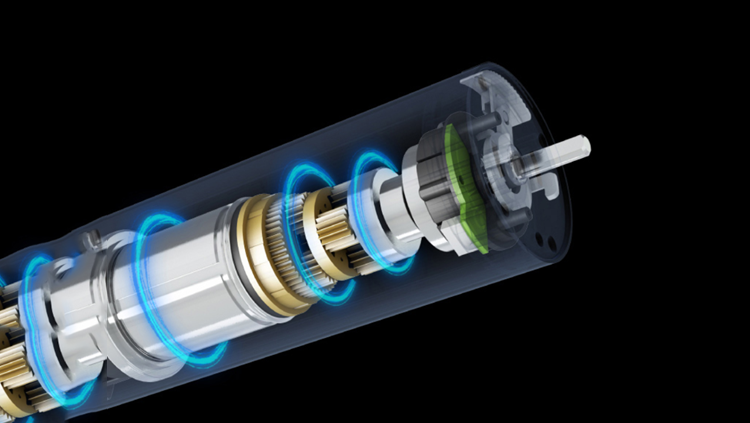
With the increasing intelligence of the whole house, electric curtains have become a must-have item in people's lives. Smart curtains using tubular motors are deeply loved by people because of their advantages of small space, low noise, large torque and beautiful appearance. Kehua Precision designed and produced the gear reducer within the limited diameter range of the tubular motor to ensure that the curtain increases the torque, and at the same time, it achieves lower noise and less vibration, bringing a better experience to users.
Project requirements:
The product requires small diameter, low noise, small vibration, large torque, strong bearing capacity and long life.
plan description:

In order to meet the project requirements, the Kehua Precision R&D team has repeatedly reviewed, and the tubular motor gear reducer adopts the following technical points:
1. The first-stage transmission is made of improved mute materials, which effectively reduces operating noise and vibration.
2. The second and third stage gears use wide gears to ensure that the output of the gearbox can withstand torque.
3. In view of the low noise and low current of the tubular motor, the special grease for the tubular motor was developed in cooperation with the oil supplier to ensure the good starting performance of the tubular motor at -20°C.
4. Design a special brake mechanism to increase the self-locking force, so that the curtain can stop at any time during the opening and closing process without sliding. Users can precisely control the degree of opening and closing of the curtains.
FAQ
What is the difference between haptic feedback and vibration alerts?
Haptic feedback provides precise, interactive sensations, while vibration alerts deliver simple, repetitive signals. Haptic feedback enhances realism, whereas vibration alerts focus on basic notifications.
Can haptic feedback improve accessibility for visually impaired users?
Yes, it can. Tactile cues help you navigate devices, receive notifications, and interact with interfaces, making technology more inclusive and user-friendly.
Are haptic devices safe for long-term use?
Haptic devices are safe. They use non-invasive technology to simulate touch. Manufacturers design them to meet safety standards for prolonged use.